



Stages of lipedema – the Condition and Its Progression
Understand the stages and types of lipedema
Lipedema is a chronic fat distribution disorder that primarily affects women. It is often misunderstood and misdiagnosed, leading to pain, swelling, and emotional distress. Understanding the stages of lipedema and its various types is essential for accurate diagnosis and effective treatment.
At our clinic, we specialize in identifying the individual lipedema stages and creating a personalized treatment plan that addresses both physical and emotional wellbeing.
If you have been diagnosed with lipedema, you can begin your journey into a new life without pain, frustration and self-doubt. Our circular and radical approach guarantees you a lasting and stable surgical result. To create an individually tailored surgical strategy, we first determine the stage, location and symptoms.
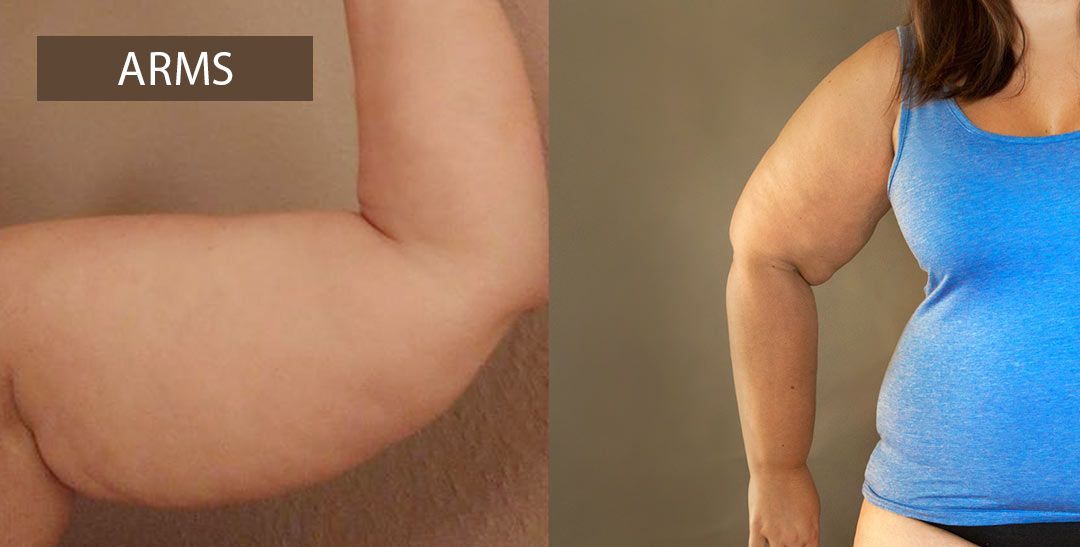
There are three stages and four types of lipedema. However, our experience shows that every finding is different and therefore the standardized surgical procedure is tailored to each patient individually.
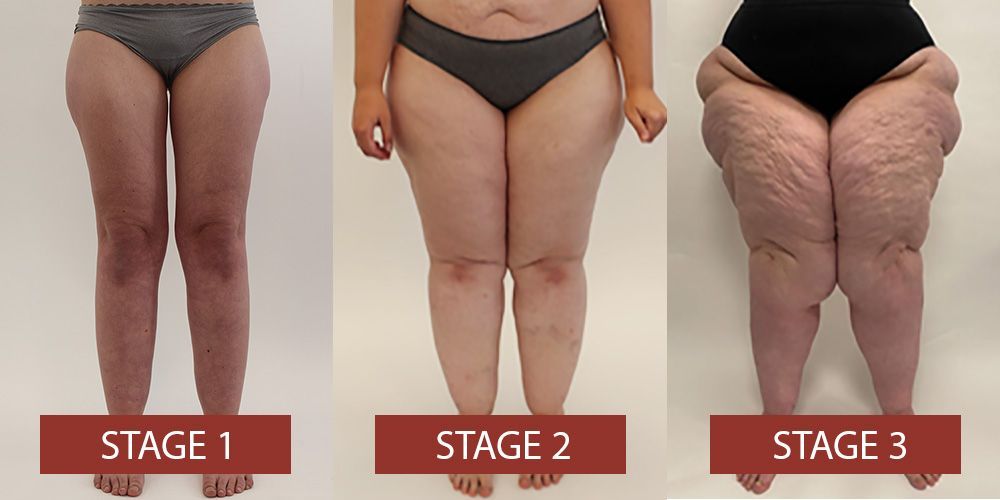
Stages of lipedema
The three stages of lipedema describe the structure of the tissue and the texture of the skin. The degree of severity is defined based on the surface of the skin and the palpable findings. Unfortunately, the common classification says nothing about the symptoms of the patients. Especially in the early stages with comparatively minor findings, massive pain can significantly limit mobility, quality of life and joy of life! In these patients, the disease is often misunderstood and the diagnosis is not made. This means that these women are often denied the opportunity of an initial, pain-relieving conservative therapy with custom-made compression stockings.
Stadium I:
Subcutaneous fat tissue thickened, possibly small nodules: skin surface still smooth
Stadium II:
Subcutaneous fat tissue changed into coarse nodular structures: skin surface dimpled and uneven
Stadium III:
Tissue even coarser and harder: Flap formation of the skin on the inside of the leg
Types of lipedema
When determining the four types of lipedema, the affected parts of the body are taken into account:
Type 1:
The subcutaneous fat is particularly increased in the buttocks and hips area. The result is what is known as saddlebags.
Type 2:
The lipedema has spread to the knees. There is increased fat formation on the inside of the knees.
Type 3:
The disease extends from the hips to the ankles. However, the feet always remain slim (except for lipedema-related dorsal foot edema).
Type 4:
The lipedema can now also be found on the arms. However, the wrists and hands are not affected.
Why Accurate Diagnosis Matters
Many women with lipedema are initially misdiagnosed as overweight or suffering from lymphedema. Proper identification of lipedema diagnosis stages ensures early intervention — such as compression therapy, manual lymph drainage, or specialized surgery — preventing disease progression and reducing pain.
FAQ – Common Questions About Lipedema
How do I know which lipedema stage I have?
Diagnosis is made by a specialist through clinical examination and, if necessary, ultrasound imaging.
Can lipedema be cured?
Lipedema cannot be completely cured, but symptoms can be effectively managed through compression, exercise, and lipedema surgery.
What is the difference between lipedema and lymphedema?
Lipedema affects fat tissue symmetrically, while lymphedema involves fluid accumulation and usually affects one limb.
Does weight loss help with lipedema?
While healthy nutrition and activity support general wellbeing, lipedema fat tissue cannot be reduced by diet or exercise alone.
Take the First Step Toward a Pain-Free Life
If you experience painful lipedema swelling or notice uneven fat distribution, don’t wait for symptoms to worsen. Book a personal consultation today to learn more about your lipedema diagnosis stage and our individualized treatment options.